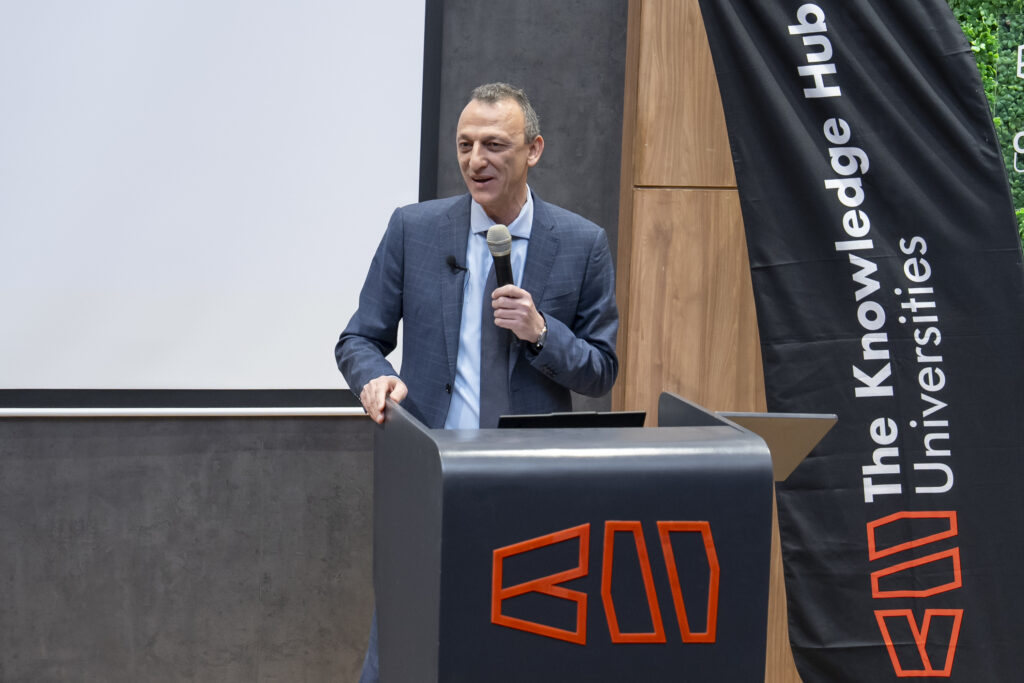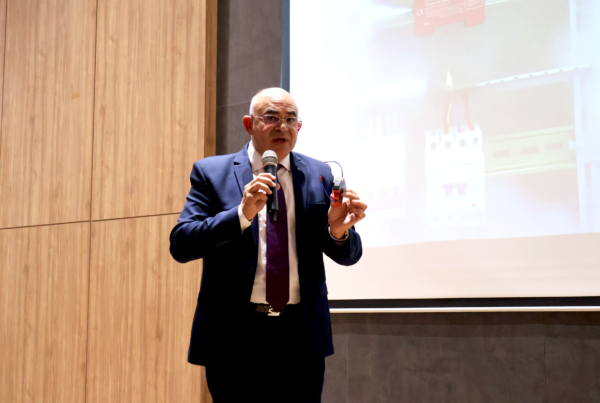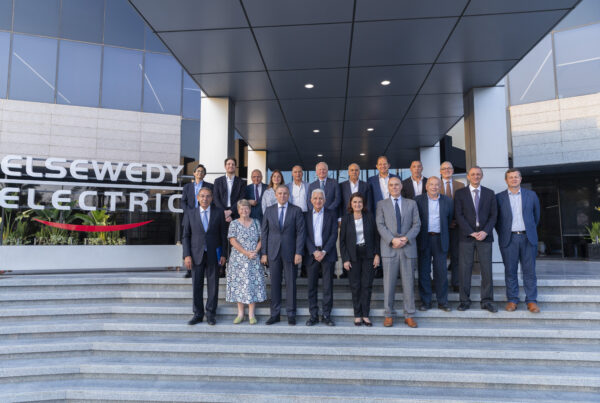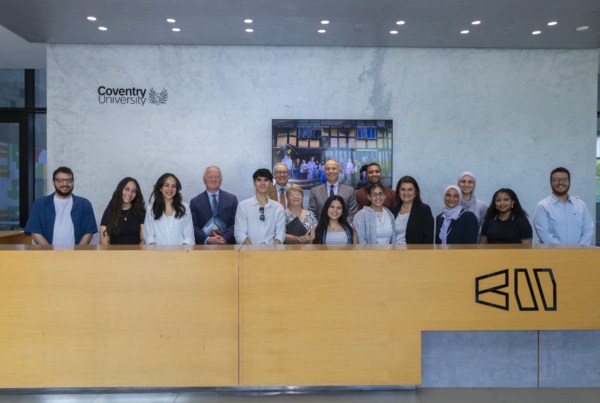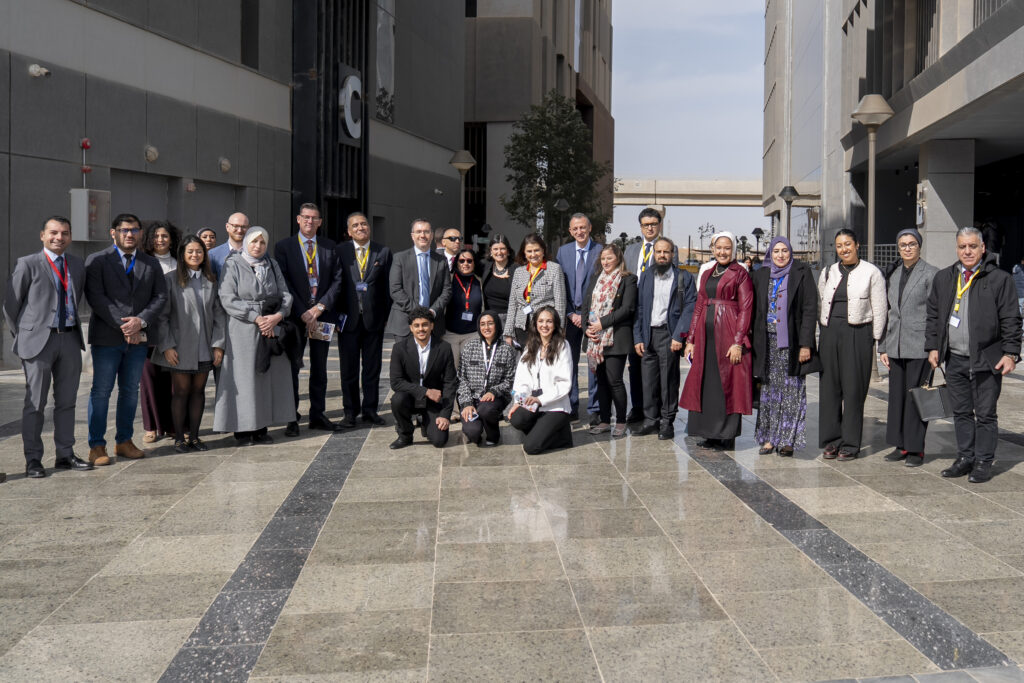
Cairo- 22 January 2025- The Knowledge Hub Universities (TKH), hosting campus of the Coventry University Cairo branch, hosted the second day of the British Council’s regional Deep Dialogue on transnational education, welcoming senior higher education leaders, policy makers and practitioners from across the Middle East and North Africa (MENA) region on 21 January 2026. As part of the three-day dialogue held in Cairo from 20 to 22 January, the TKH-hosted programme provided a dedicated platform for in-depth discussions on the role of transnational education in advancing national higher education strategies, strengthening institutional capacity, and enhancing student outcomes across the region. The visit formed part of the British Council’s Going Global Partnerships programme and aligned with its Transnational Education Strategy 2025–27.
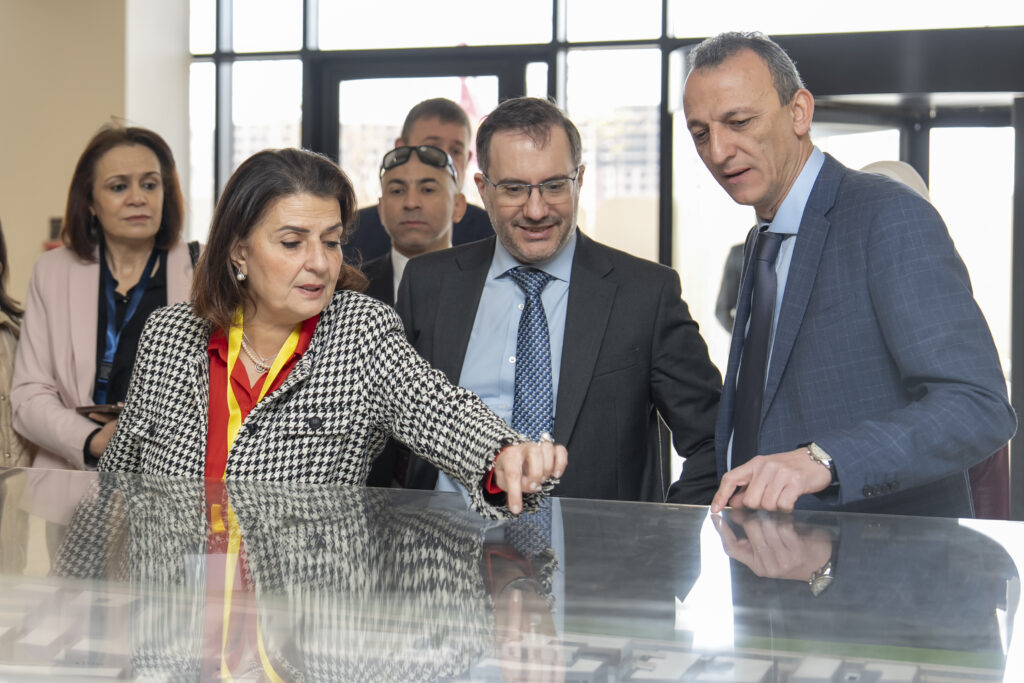
Dr. Ayman Ashour, Minister of Higher Education and Scientific Research, highlighted the importance of cooperation between Egyptian academic institutions and the British Council to enhance academic and research collaboration, build faculty capacity, support international accreditation, develop curricula, and improve graduate employability. He also emphasized the expansion of English language testing and examination services to enhance quality, transparency, and international recognition. The Minister reaffirmed Egypt’s appreciation of the longstanding and constructive cooperation with the United Kingdom in higher education and scientific research; built on mutual trust and a shared commitment to quality and capacity building. He stressed that the next phase of transnational education should move beyond traditional models to include developing countries and trilateral partnerships, enabling a shift from adaptation to co-design of programmes, exchange of regulatory and quality assurance expertise, advancement of digital education, and broader, more inclusive, and sustainable access to international education.
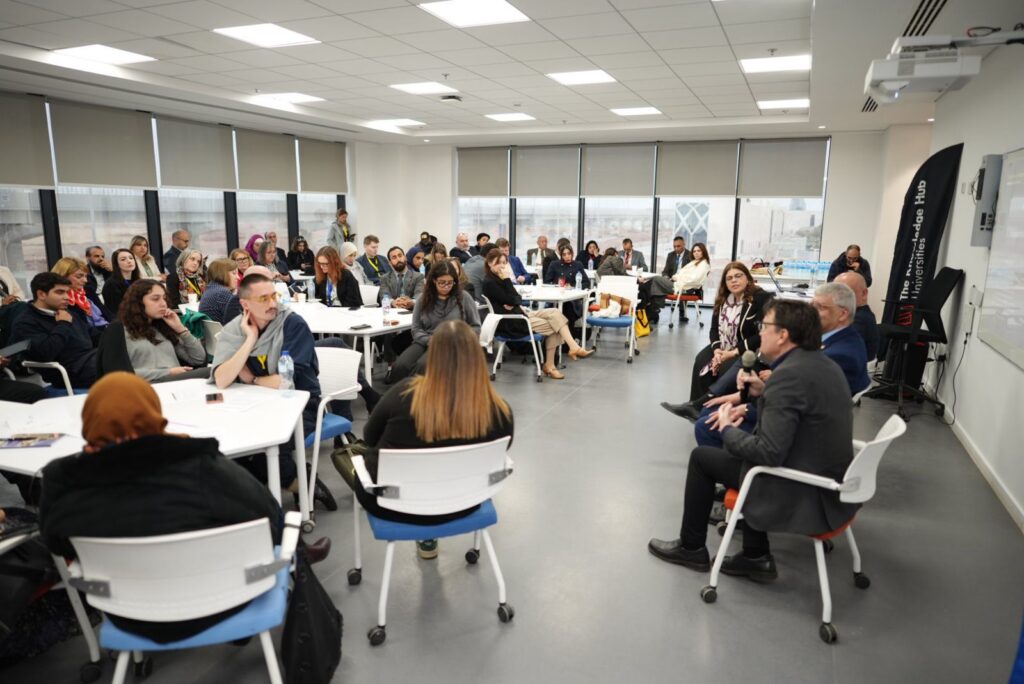
Over the three days of the Deep Dialogue, participants explored the growing scale and strategic importance of transnational education, including the increasing number of UK TNE students around the world and the importance of MENA countries such as Egypt, the UAE and Saudi Arabia, which are all in the top ten host countries globally for UK TNE according to recent analysis from Universities UK International. Discussions considered regional TNE trends and national policy frameworks, supported by interactive masterclasses delivered by the Quality Assurance Agency for Higher Education (QAA) and Universities UK International (UUKi), which helped establish a shared understanding of TNE models and quality assurance approaches.
Mark Howard, British Council Director in Egypt commented: “Egypt’s rise from fifth to fourth globally as a host country for UK transnational education reflects both strong national ambition and the quality of partnerships being built. Through initiatives such as this Deep Dialogue and our new agreement with the Supreme Council of Universities, we are focused on strengthening quality, widening access and ensuring that transnational education delivers meaningful outcomes for students, institutions and the wider economy”
British Ambassador to Egypt, Mark Bryson-Richardson said: “The UK is proud to be Egypt’s number one transnational education provider, with UK universities delivering over 50% of TNE provision in Egypt through International Branch Campuses and other innovative models. Today, more than 32,000 students are enrolled in UK TNE programmes here, making Egypt the fourth-largest host of UK transnational education globally. Together, we are committed to providing world-class learning opportunities that empower students and strengthen the educational partnership between our two nations.”
Participants examined a range of transnational education models, including branch campuses, joint and dual degrees, franchised provision and digitally enabled partnerships, with a focus on how these approaches align with national priorities and support institutional objectives such as internationalisation, skills development, research collaboration and student mobility.
The programme also emphasised the student experience and graduate outcomes, with sessions highlighting learner perspectives, employability-focused partnerships with industry and entrepreneurial approaches within TNE delivery. A visit to Coventry University’s Cairo branch campus offered practical insight into the operation of an international branch campus within Egypt’s higher education landscape and gave delegates the chance to talk to TNE students and alumni.
Cross-cutting themes included widening access to international education, equality, diversity and inclusion, and the importance of robust quality assurance and accreditation frameworks. The dialogue concluded with reflections on leadership for sustainable TNE collaboration, the role of education hubs, and opportunities to strengthen research and wider internationalisation within TNE partnerships across the MENA region and with the UK.
Mohamed Shawky, Chief Executive Officer at El Sewedy Education said:
“Education knows no boundaries; it is a bridge that connects cultures, ideas, and opportunities. At The Knowledge Hub Universities (TKH) , we believe that Transnational Education opens doors to global knowledge. In TKH we bring world-class and international learning experiences to our students, we empower them to lead with confidence and shape a better future”.
By bringing together diverse regional and UK perspectives, the Deep Dialogue contributed to a more nuanced understanding of transnational education as a mutually beneficial and increasingly multipolar form of higher education collaboration. The event strengthened regional networks, supported knowledge exchange, and laid the groundwork for new and enhanced partnerships between higher education institutions in MENA and the UK.